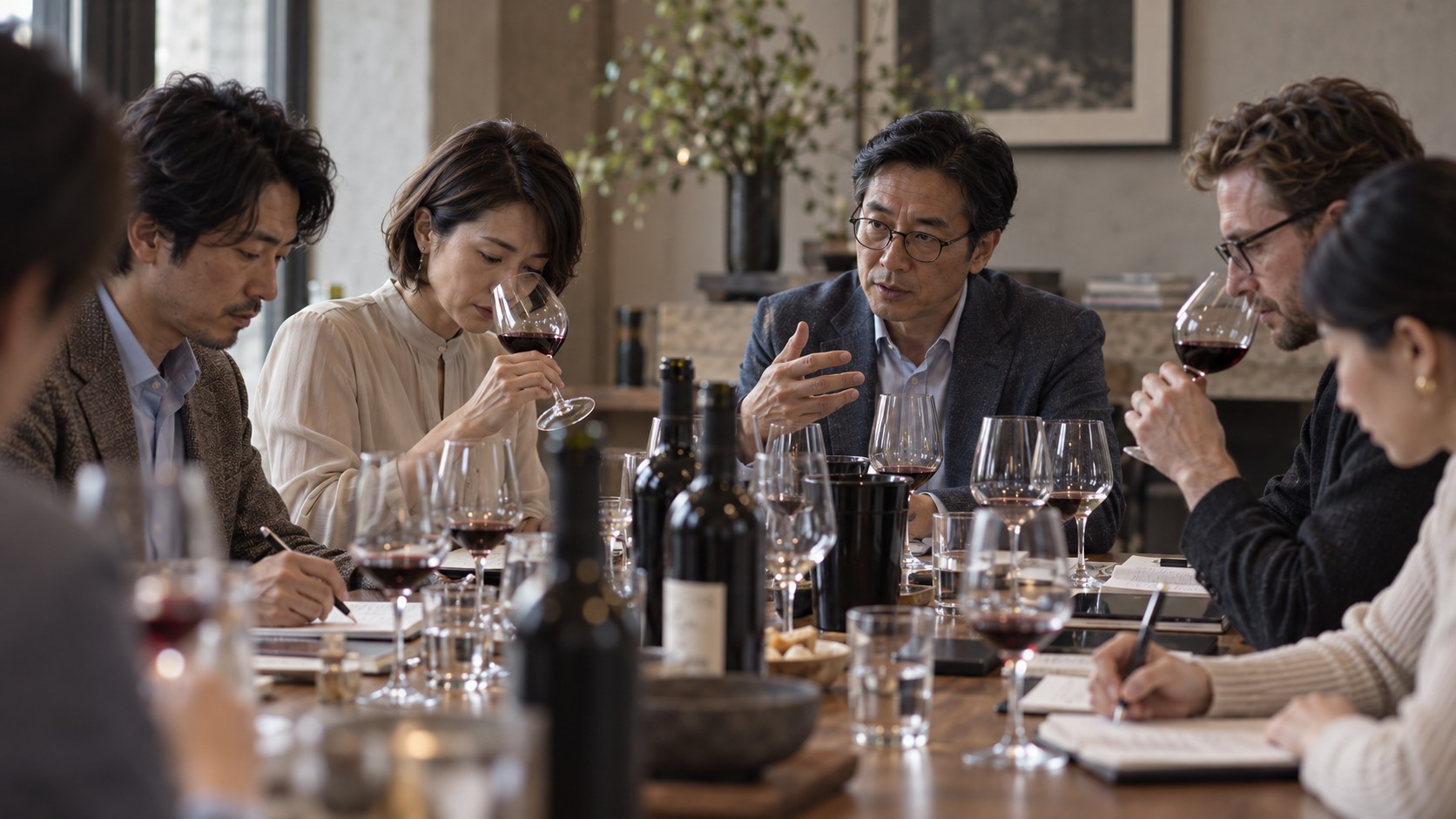
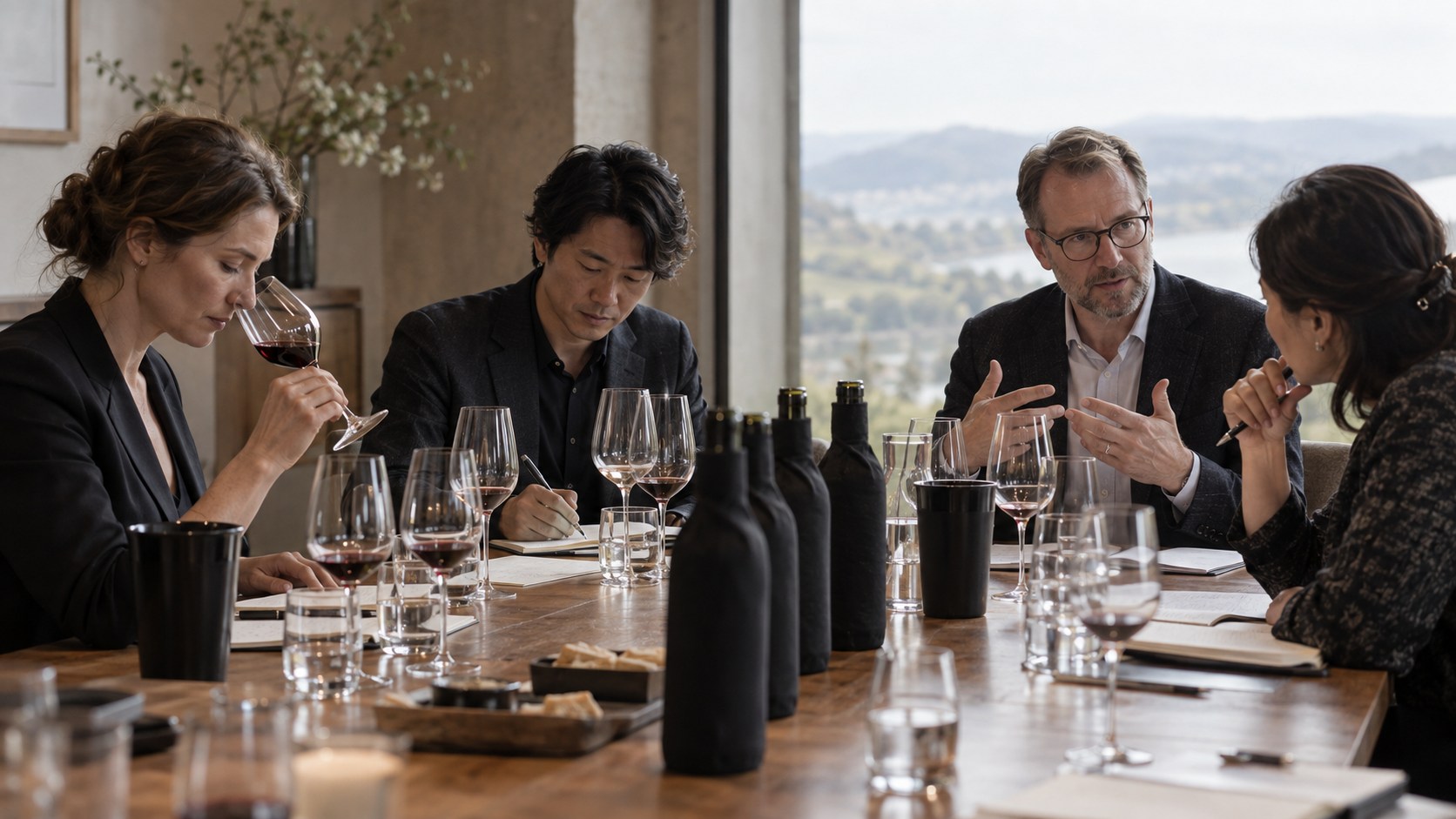
When entering a new market, producers often receive many friendly reactions at trade fairs and individual meetings, but little feedback that can actually be compared. The DJWI Wine Panel creates a structured setting: a selected group from sommellerie, gastronomy, trade, purchasing and other relevant market roles tastes German wines together and openly discusses how they are perceived in the Japanese context.
The focus is neither scores nor awards. What matters is what a producer can conclude from the market response. This includes sensory positioning and style, perceived pricing, label and packaging, target groups, suitable distribution channels, competitive context, portfolio selection and a realistic assessment of market potential.
Depending on the question, a panel may deliberately include selected private members. These judges do not replace professional market assessment; they add a perspective that is equally relevant to importers, retailers and producers: What does a real buyer understand? Which price feels plausible? Which design creates interest? Which origin, grape variety or style actually triggers purchase intent?
The result is structured feedback from the Japanese market that provides additional decision support before market entry, expansion or portfolio changes. Compared with costly trade-fair appearances, a panel can reveal early which wines require explanation, which price position appears realistic and where genuine interest exists.
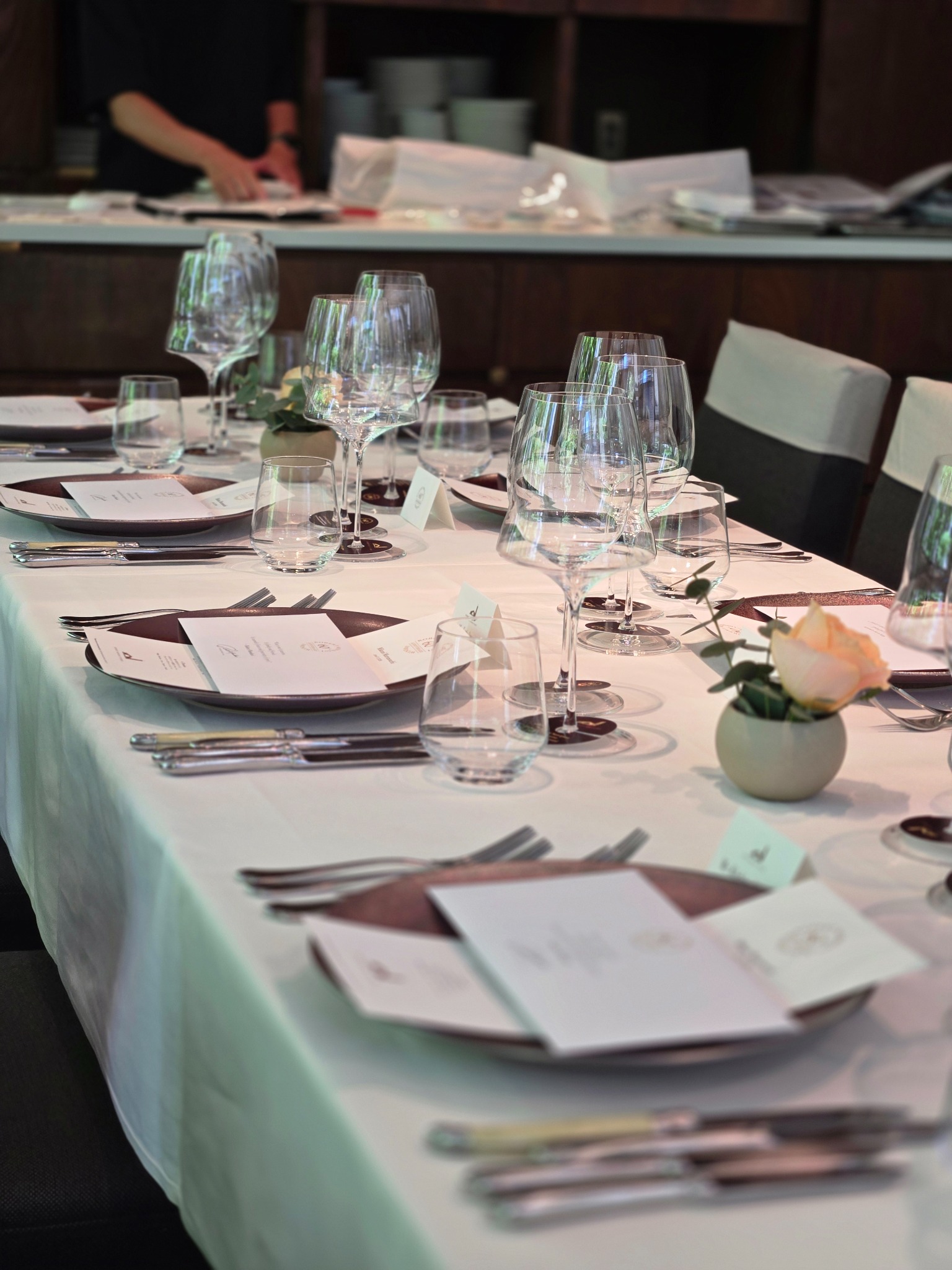
Masterclasses connect German producers directly with professionals in Japan. Producers can explain origin, working methods, vintages and stylistic decisions themselves; participants can ask questions, compare and place the wines in a broader international context. This is particularly valuable where German regions or grape varieties are known in Japan but their current range is only partly understood.
Formats can be digital or form part of a stay in Japan or a trip to Germany. Regional themes, grape-variety comparisons, vintage profiles, food pairing or the development of individual wineries can therefore be explored in depth without turning the session into a conventional sales presentation.
Organisation and costs: DJWI can handle concept development, scheduling, participant outreach and organisational implementation of a masterclass in Germany or Japan. External costs cannot currently be covered as a general rule by the association. This includes, in particular, producer travel and accommodation, wine shipping, venue, catering, logistics and external service providers. These costs are agreed transparently in advance and are borne by the participating producer or parties involved, or—where available—financed through sponsorship, partners or a dedicated event budget. Membership alone does not include coverage of these third-party costs.
For German members, trips to Japan can combine meetings with gastronomy, trade, importers and other market participants with tastings, professional events and trade-fair visits. Many differences that remain abstract in market reports become tangible only on site: presentation, price levels, service expectations, purchasing logic and the role of personal relationships.
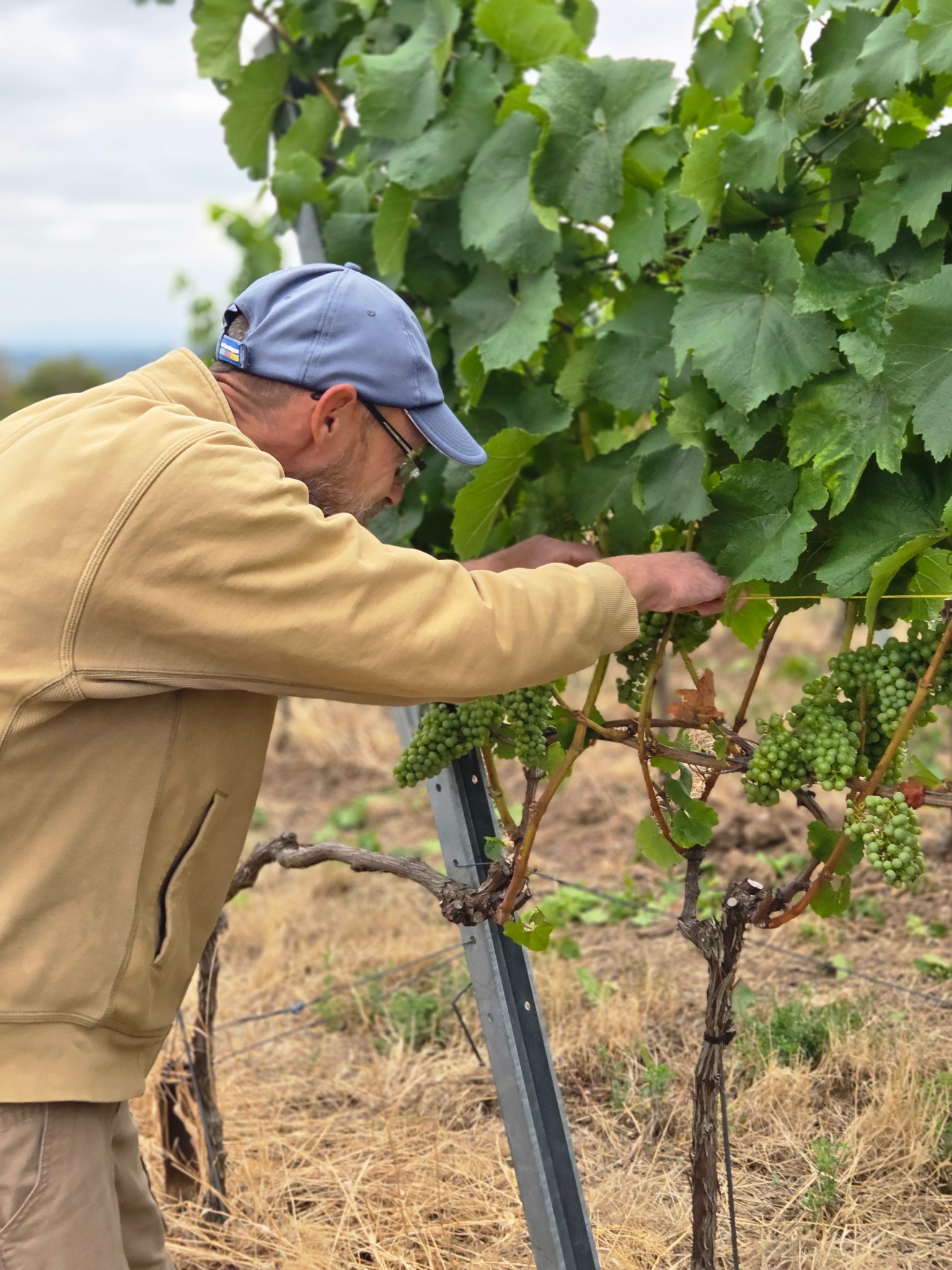
In the other direction, Japanese members should be able to experience German wine regions, producers and wineries directly. Winery visits, regional tastings and conversations with growers provide access to origin and production that catalogues or digital presentations cannot replace. Relationships created on such trips can continue far beyond an individual DJWI programme.
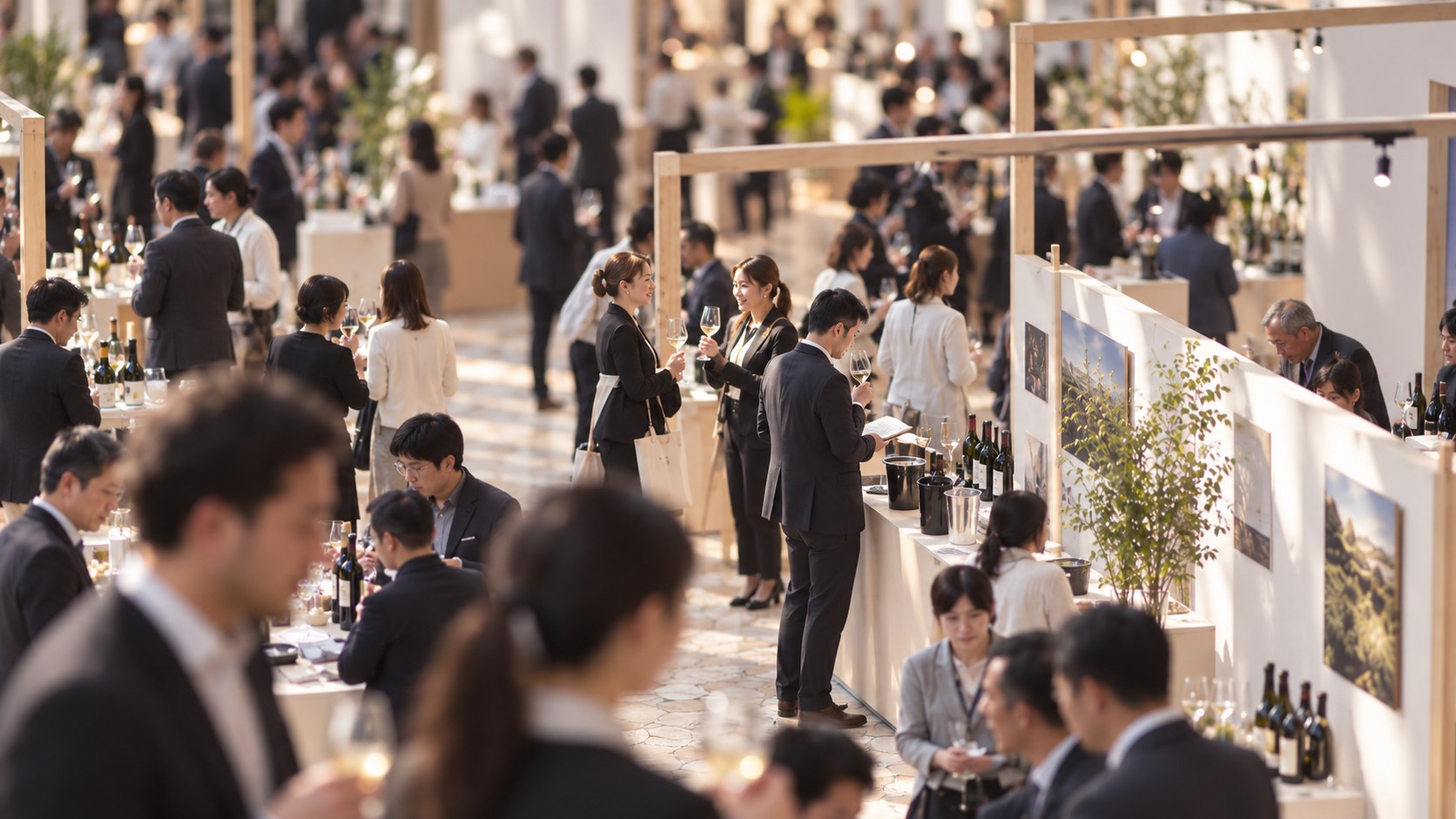
Professional trade fairs in Japan remain important places where sommeliers, purchasing, trade, media, producers and importers meet within a short period. For an individual winery, however, a fair appearance can be expensive and difficult to evaluate. DJWI therefore does not view these occasions as an end in themselves, but links them to a concrete professional objective.
Joint appearances can be complemented by professional tastings, masterclasses, pre-arranged meetings or smaller member tastings. The objective is not maximum visitor numbers, but whether the right people taste and understand a wine and can subsequently build a reliable relationship with the producer.
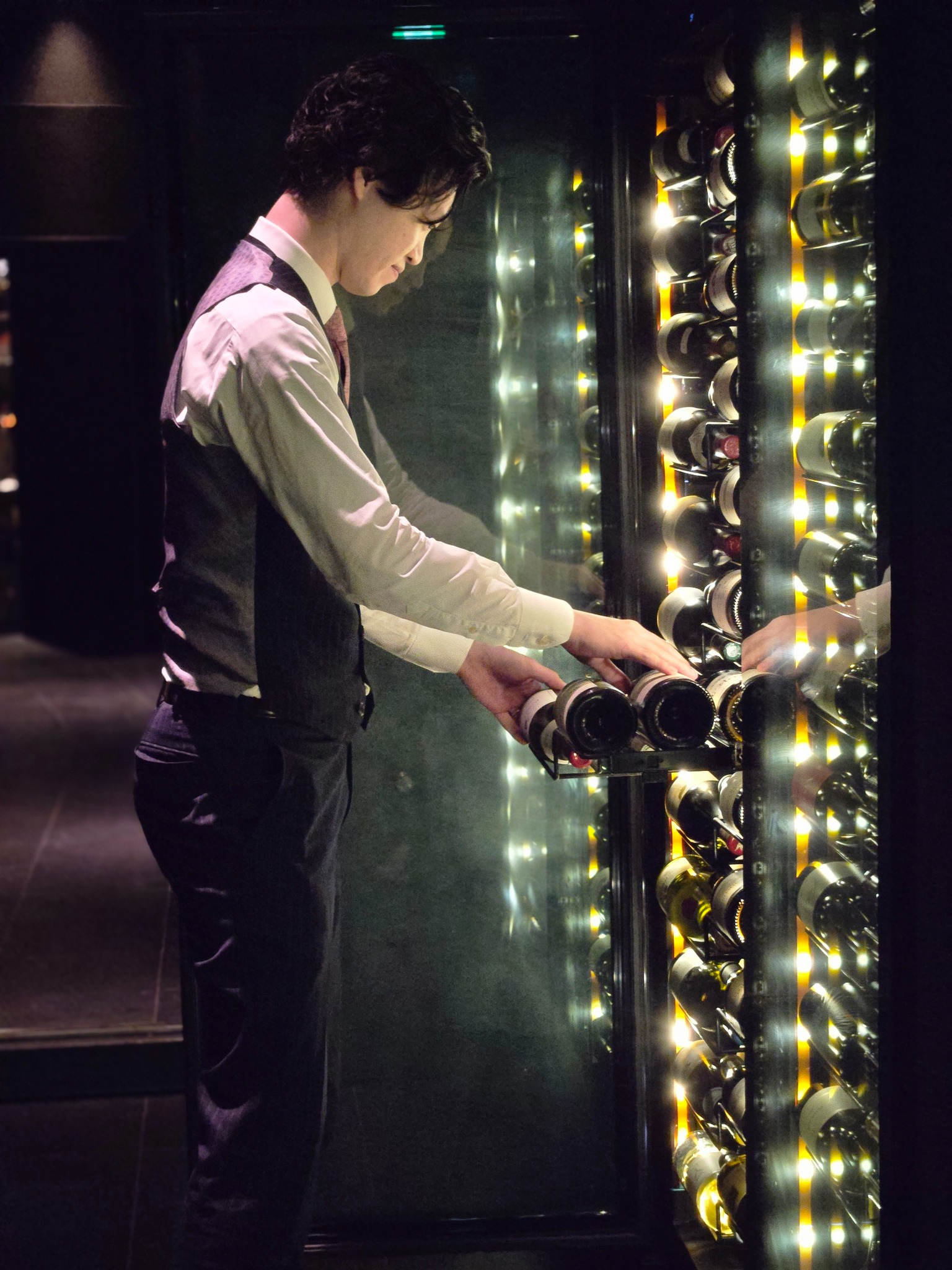
Anyone assessing Japan as a sales market must understand not only style and demand, but also import, distribution, storage, pricing, labelling and the different roles within the trade. DJWI combines general market knowledge with practical experience and makes these relationships understandable before producers make decisions on investment, partners or promotion.
The association does not provide individual legal, tax, import, sales or business consulting. Its role is to provide general information, explain typical structures and facilitate professional exchange between members. This can be complemented by market briefings and surveys within the network when concrete questions arise from the German or Japanese market.
DJWI is intended to create connections beyond its own events. In the protected members area, members can find producers, sommeliers, gastronomy, trade, media and other professionals from Germany and Japan and continue developing their own network.
Professional members can access professional contact details where the respective member has enabled them and can get in touch directly. Private members can view profiles and public information but do not have unrestricted access to personal contact details of professional members. Personal relationships can of course develop through events, panels or direct mutual exchange.
Once the account is activated, each member completes their own profile. Professional members can maintain company, role, interests and contact permissions. Private members may voluntarily create a consumer profile so that they can be invited to suitable DJWI Wine Panels and surveys.
Members area